ImageFor a long time, I wore “day trader” like a badge of honor.Up early. Coffee in hand. Charts open before sunrise. In and out of trades by lunch. It felt fast, exciting, and, frankly, pretty badass.But over time, the shine wore off. What once felt thrilling started to feel heavy. I was constantly glued to screens, constantly second-guessing entries, and constantly asking myself the same question:“Why does this feel more like a job than freedom?”Eventually, after months of burnout and inconsistent results, I made the switch. I stopped day trading and became a swing trader.Here’s why.1. Day Trading Took Over My LifeAt first, I loved the adrenaline. Waking up before the market, anticipating moves, catching early breakouts — it felt like I was in the game.But gradually, it consumed me.I couldn’t leave my desk for more than 15 minutes without anxiety. I was obsessed with tick movements. Even when I wasn’t trading, my brain was still on the chart — mentally backtesting, replaying mistakes, watching setups I didn’t take.Trading became my life. And not in a good way.Swing trading gave me space. I stopped checking the charts every hour. I started planning, setting alerts, and walking away. Suddenly, I could go outside again without worrying about missing a scalp.2. I Realized Most “Opportunities” Weren’t Worth ItWhen you’re day trading, especially lower timeframes like the 1-minute or 5-minute charts, every wiggle feels like a potential setup.But looking back, 80% of the trades I took were low-quality. Small R:R. Forced entries. Emotional re-entries. Most of them never had the clean structure or confirmation I would demand on higher timeframes.Once I zoomed out to the 4H and daily charts, everything changed.I could see the bigger picture — liquidity zones, true structure, and cleaner reversals. My setups took longer to form, but when they came, they had real weight behind them.And guess what?They worked more often.3. The Emotional Burnout Was RealWhat nobody tells you about day trading: It’s emotionally exhausting.You’re making rapid decisions all day.You’re reacting to every spike.You’re bouncing between hope and fear on every candle.I’d end each session mentally fried. Even profitable days left me drained. And when I lost? It wasn’t just about money — it hit my self-worth.With swing trading, emotions became easier to manage.There’s time to think. Time to breathe. Time to journal, reflect, and plan. I started sleeping better. I stopped checking charts before bed. And I actually enjoyed trading again.4. I Wanted Freedom — Not a New 9-to-5Let’s be honest. Most of us come to trading chasing freedom. The dream: work from anywhere, on your time, no boss.But day trading? It often becomes a stricter job than a 9-to-5.You’re tied to specific market hours.You can’t walk away during trades.You’re “working” every single day.Swing trading gave me back my time.Now, I do my analysis in the evenings or during quiet hours. I enter with clear plans and let trades run for days. No more checking charts 12 times a day. No more missing life events because of a trade.5. I Started Focusing on Quality Over QuantityDay trading made me feel like I needed to be “active” to be successful.If I wasn’t placing trades, I felt like I was falling behind. So I forced trades. I chased setups. I got caught in random chop zones just to feel like I was doing something.When I switched to swing trading, I had to unlearn that hustle mindset.I started aiming for fewer, better trades — and my win rate improved.Instead of trying to make $100 a day, I started targeting 3R–5R setups that would play out over time. I no longer cared about daily targets. I cared about monthly growth, consistency, and emotional control.6. News Events Stopped Wiping Me OutOne of the biggest frustrations in day trading? News.I can’t count how many times I was in a clean-looking setup — only for a surprise CPI report, Fed speech, or random tweet to blow up the chart and take me out.In lower timeframes, news hits fast. And when your stop is tight, a single wick can ruin your whole day.Swing trading gave me room.I still respect fundamentals, but I don’t live or die by them. My stops are based on structure, not fear. I give trades space to breathe — and in return, they hold up better under volatility.7. I Got More Consistent (and Calmer)I’m not saying swing trading magically made me profitable. But it absolutely made me more consistent.Why?Because I finally had the emotional and mental space to follow my plan.I wasn’t glued to the screen. I wasn’t rushing decisions. I wasn’t letting a 5-pip spike freak me out. I could observe price over time, journal properly, and make calm adjustments.And funny enough, my equity curve smoothed out.No more massive wins followed by equally massive losses. Just clean trades, with measured risk, and steady growth.8. I Started Thinking Like an Investor, Not a GamblerDay trading made me think short-term.Daily PnLQuick winsFast flipsIt trained my brain to focus on the “now” instead of the “long game.”Switching to swing trading helped me step back. It forced me to study macro trends, understand structure across timeframes, and develop real patience.I started treating trading like a business — not a casino.Final Thoughts: You Don’t Have to Be a HeroIf you love day trading and it works for you, amazing. Stick with it.But if you’re tired, inconsistent, overwhelmed, and wondering if trading is supposed to feel this hard… you’re not alone.Swing trading isn’t easier. It still takes discipline, planning, and risk management. But for me, it’s sustainable. It’s clearer. It’s calmer. And it’s a style I can stick with long-term.The goal isn’t to trade all day. The goal is to trade well, protect your capital, and live a life you don’t need a break from.That’s why I stopped day trading. And honestly? I haven’t looked back.Why I Stopped Day Trading and Switched to Swing Trading was originally published in Coinmonks on Medium, where people are continuing the conversation by highlighting and responding to this story.
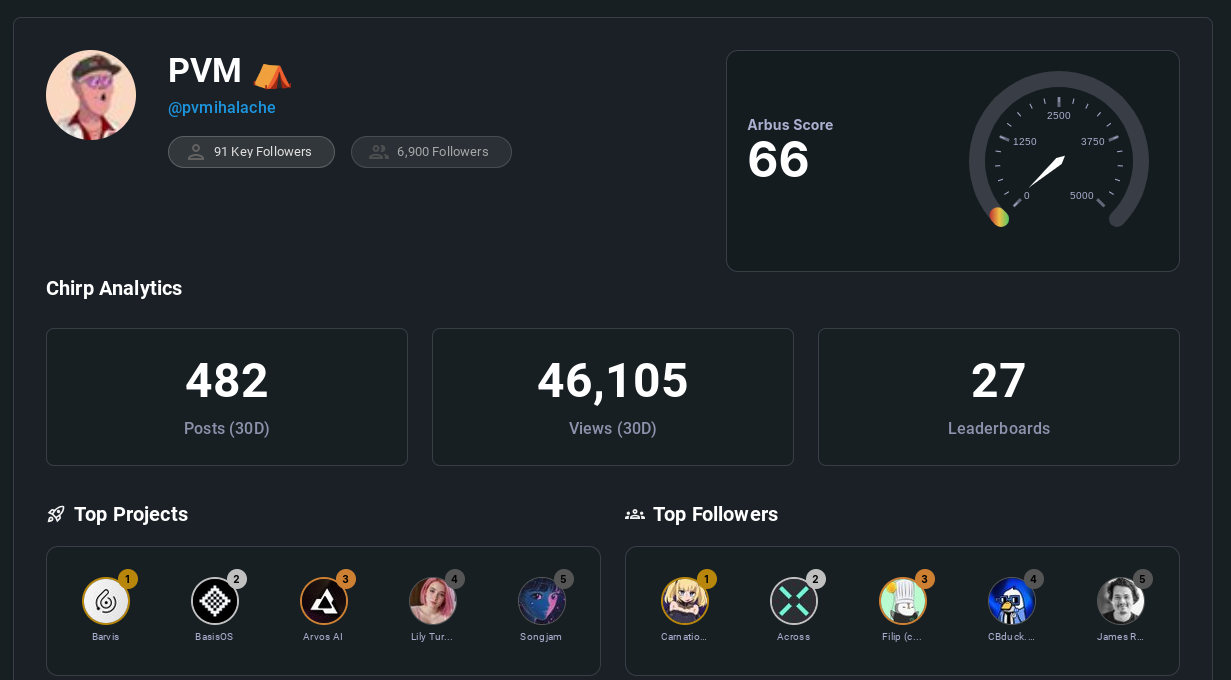
The Arbus “Chirps” are live but what are they and how it works? The “chirps” are an AttentionFi rewards layer that pays real contributors…Continue reading on Coinmonks »Gold tokenization is not just a trend — it’s a paradigm shift. By converting physical gold into blockchain-based digital tokens, investors gain round-the-clock access to a market once restricted to vaults and storage boxes. In recent years, the market capitalization of tokenized gold has surpassed $1.4 billion, showing explosive growth. With trading volumes increasing steadily, the digital transformation of gold has begun to rival traditional methods of storage, ownership, and transfer.Previously, owning gold meant navigating storage costs, security risks, and logistical burdens. But now, gold tokenization allows for fractional ownership, instant transactions, and seamless global trading. It’s simple: instead of owning a physical gold bar stored in a distant vault, investors hold a secure, blockchain-verified digital token that represents the same value and security.What is Gold Tokenization?Gold tokenization refers to the process of digitizing physical gold into blockchain tokens. Each digital token represents a specific, often fractional, amount of real gold stored securely in a vault. These tokens can be bought, sold, or transferred just like cryptocurrencies but are backed by actual gold reserves.This process brings together the timeless value of gold and the technological edge of blockchain. The result? A more flexible, efficient, and accessible investment product. Investors can now trade gold without needing to physically move or handle it. With the help of smart contracts, these tokens are issued, tracked, and redeemed automatically, creating a trustworthy and tamper-proof ecosystem.Why Gold Tokenization is Gaining MomentumGold tokenization offers numerous advantages that are hard to ignore:Fractional Ownership: Investors no longer need to buy entire ounces or kilos of gold. With tokenized gold, it’s possible to own even a fraction of a gram.24/7 Trading: Unlike traditional gold markets that operate on limited hours, digital tokens can be traded any time of day or night.Reduced Costs: By eliminating intermediaries, storage fees, and logistics, gold tokenization slashes the overall cost of investment.Global Accessibility: Anyone with internet access can buy tokenized gold, democratizing ownership and expanding the investor base.Enhanced Transparency: Every transaction is recorded on the blockchain, ensuring traceability and minimizing fraud.All of this makes gold tokenization not only a smart choice for modern investors but also a key player in the evolution of the precious metals market.The Market Impact: Statistics That Speak VolumesLet’s put things into perspective. The global tokenized asset market is growing at an annual rate of over 19%. Within this market, gold remains one of the most prominent commodities, accounting for a sizable share of the $1.4 billion currently circulating in tokenized formats. Tokens like Tether Gold (XAUT) and Paxos Gold (PAXG) are leading the charge, with millions of dollars in daily trading volume.These numbers reveal a powerful trend: investors are increasingly favoring digital gold over physical assets due to its flexibility and lower barriers to entry. Financial institutions, fintech firms, and individual investors alike are adopting this new model at an accelerating pace.How Gold Tokenization Works: A Simple BreakdownThe concept may sound complex, but the process is surprisingly straightforward. Here’s how it unfolds:Gold Acquisition: A trusted custodian purchases physical gold and stores it securely in a vault.Token Creation: A blockchain-based platform mints digital tokens that represent ownership of that gold.Smart Contract Integration: Each token is linked to a smart contract that defines its value, origin, and redemption terms.Trading and Transfer: Investors can buy, sell, or transfer these tokens globally, just like any other cryptocurrency.Redemption: If desired, token holders can redeem their tokens for the underlying gold or cash equivalent.This closed-loop system ensures trust, traceability, and simplicity in every transaction.Key Benefits of Tokenized Gold at a GlanceFeatureBenefit Fractional Ownership Buy micro-quantities of gold without needing full ounces Enhanced Liquidity Sell or trade tokens instantly, anytime Lower Investment Barriers Entry possible with even $1 or less Real-World Asset Backing Each token is 100% backed by physical gold in secure vaults Transparent Audit Trails Blockchain records ensure every move is trackableChallenges and Real-World ConsiderationsDespite its many advantages, gold tokenization isn’t without hurdles. Regulatory clarity remains a work in progress, especially across international jurisdictions. Investors must also trust that custodians are safeguarding the physical gold backing each token. Without reliable audits and proof-of-reserve mechanisms, confidence could erode.Additionally, while blockchain-based systems promise security, they also expose users to digital threats. Wallet security, exchange hacks, or smart contract bugs remain real risks in the crypto space. However, with proper safeguards, education, and technological innovation, these challenges are steadily being addressed.Use Cases and Adoption ExamplesTokenized gold isn’t just theoretical. Across the globe, retail investors are using gold tokens to hedge against inflation, while institutional players integrate them into diversified portfolios. In economically volatile regions, tokenized gold offers a digital alternative to unstable fiat currencies. And in decentralized finance (DeFi), gold-backed tokens are being used as collateral for loans or yield-generating assets.From online investment platforms to mobile wallets, gold tokenization is expanding access like never before. The line between physical and digital wealth is quickly blurring — and for the better.The Future Outlook for Tokenized GoldLooking forward, gold tokenization is expected to capture a more significant share of the $13 trillion global gold market. As blockchain technology matures and regulations evolve, tokenized assets — particularly gold — will gain more trust, higher liquidity, and broader adoption.We can anticipate more financial products being built around tokenized gold, such as gold-backed ETFs, decentralized lending platforms, and even central bank-backed digital currencies with gold reserves. It’s not a matter of if, but when tokenized gold becomes the standard for modern precious metal investing.Conclusion: A New Age of Gold OwnershipGold tokenization is rewriting the rules of ownership. From vaults to virtual wallets, gold has entered the digital era — offering investors a flexible, transparent, and efficient way to hold one of the world’s most valued assets. With lower entry barriers, increased liquidity, and real-world asset backing, tokenized gold is not only safer but smarter.As more investors shift toward blockchain-based finance, tokenized gold will continue to grow in popularity. It’s a historic transformation — one that blends the enduring value of gold with the revolutionary power of technology.FAQsWhat is gold tokenization? Gold tokenization is
The idea of converting real-world assets into digital tokens has seen growing adoption in both the financial sector and digital markets. Real-world assets, from real estate to IP, can be tokenized and recorded on blockchain networks using this advanced technology. These tokens can be easily bought, sold, and traded, bringing liquidity, transparency, and efficiency to previously illiquid markets.ButWhat’s behind the growing interest in this concept? Why are investors, institutions, and even governments increasingly exploring the potential of tokenizing real-world assets? In this article, we will delve deep into the reasons behind the rising trend of tokenization and how it’s revolutionizing asset ownership in the digital era.What Is Tokenization of Real World Assets?Tokenization of real world assets refers to the process of converting ownership rights of physical assets into digital tokens that are stored and managed on a blockchain. These tokens represent a fraction or whole ownership of the underlying asset, allowing for easier transfer, fractional ownership, and real-time tracking.For example:1,000 tokens can represent fractional ownership of a premium apartment.Investors can buy as few as one token, thus owning a fraction of the property.Transactions are recorded immutably on the blockchain, ensuring trust and security.Key Drivers Behind the Popularity of Real World Asset Tokenization1. Increased Liquidity for Traditionally Illiquid AssetsOne of the most significant benefits of tokenization of real world assets is the liquidity it brings to markets like real estate, fine art, or collectibles. Traditionally, these assets are illiquid and require significant capital and time to trade.Tokenization allows:Fractional ownership.24/7 trading on global marketplaces.Reduced time to complete transactions.Investors can now diversify their portfolio with ease by investing in small shares of high-value assets that were previously out of reach.2. Democratization of Investment OpportunitiesThe traditional financial system often limits access to high-value investments to wealthy individuals or institutions. Through tokenization of real world assets, this barrier is lowered significantly.A single token can be as low as $100.A digital wallet and online access are all you need to join.It promotes financial inclusion and opens up global investor participation.This democratization is particularly impactful in emerging markets where access to capital markets is limited.3. Enhanced Transparency and Trust via BlockchainBlockchain, the underlying technology of tokenization, ensures:Immutable transaction records.Real-time audit trails.Transparent ownership history.For instance, if a token represents a portion of a gold bar, every transaction involving that token is permanently recorded on-chain, reducing fraud and increasing trust among stakeholders.4. Operational Efficiency and Cost ReductionTraditional asset transactions often involve multiple intermediaries — brokers, legal advisors, banks — and can take days or weeks to finalize. Tokenization of real world assets streamlines this process through smart contracts and automation.Benefits include:Faster settlement times.Lower transaction fees.Minimal paperwork and human error.These efficiencies not only save time but also reduce the overall cost of managing and transferring assets.5. Programmable Ownership and ComplianceSmart contracts allow for programmable logic within the asset tokens themselves. This enables automation of:Dividend distributions.Ownership transfers.Regulatory compliance (e.g., KYC/AML rules).This dynamic capability makes the management of tokenized assets smarter and more compliant with existing laws and future regulations.6. Global Reach and 24/7 MarketsUnlike traditional real estate or equity markets that operate within certain hours and jurisdictions, tokenized assets can be:Traded across borders.Bought and sold 24/7.Accessed by anyone globally.This level of accessibility has fueled the widespread interest in the tokenization of real world assets, especially among global investors seeking exposure to different asset classes.7. Fractional Ownership Attracts Younger InvestorsMillennials and Gen Z investors are digital natives who seek flexibility, transparency, and accessibility. Tokenization aligns with these expectations:Allows investment in fractions.Provides mobile-first access.Offers exposure to alternative assets like rare art, wine, or music royalties.This shift in investor demographics is driving more demand for tokenized investment platforms.8. Regulatory Momentum and Institutional AdoptionRegulators in various countries are starting to provide clearer frameworks for digital assets and tokenization. Meanwhile, institutions are beginning to tokenize everything from bonds to private equity.Examples:BlackRock and other major asset managers are exploring blockchain-based tokenized funds.Real estate companies are tokenizing properties for global investors.This legitimacy and adoption by major players boost market confidence and contribute to growing popularity.9. Seamless Integration With DeFi and Web3 EcosystemTokenized real world assets can be integrated into decentralized finance (DeFi) protocols, enabling new use cases:Borrowing against tokenized property as collateral.Yield farming with real estate-backed tokens.Participating in DAO-governed investment syndicates.This integration creates a bridge between traditional finance (TradFi) and decentralized finance (DeFi), driving broader appeal.10. Immutable Proof of OwnershipTraditional ownership documentation can be forged or lost. Tokens issued on a blockchain act as proof of ownership that cannot be tampered with.For example:A token representing a plot of land is tied to its legal documentation and GPS location.If it’s transferred or sold, the blockchain reflects the exact ownership details in real-time.This innovation is critical in regions with poor property rights or title registry systems.Use Cases of Real World Asset TokenizationHere are real-world examples that highlight the increasing adoption of tokenization:Real Estate: Fractional ownership in luxury apartments and commercial spaces through platforms like RealT and Lofty.Art & Collectibles: Masterworks allows investing in tokenized shares of multi-million-dollar paintings.Commodities: Gold, silver, and oil-backed tokens are emerging as alternatives to traditional commodity ETFs.Private Equity: Startups and SMEs can raise capital by tokenizing equity shares.Carbon Credits: Tokenized carbon credits are now being traded for environmental impact investing.Challenges to ConsiderDespite its potential, the tokenization of real world assets still faces several challenges:Legal recognition: Many jurisdictions have yet to legally acknowledge digital tokens as valid representations of real-world ownership.Custody and asset backing: Ensuring that the real-world asset truly exists and is securely stored can be complex.Technical complexity: Tokenization requires blockchain infrastructure, smart contract development, and cybersecurity.Market education: Awareness of tokenized asset benefits, legal obligations, and potential risks is necessary for both investors and institutions.These challenges are actively being addressed through innovation, regulation, and market evolution.The Future Outlook of Real World Asset TokenizationAn estimate by the World Economic Forum suggests that blockchain may store 10% of the global GDP by 2030, with tokenized assets leading the shift. As blockchain adoption increases, so too will the demand for tokenized real-world assets.Upcoming developments to watch:Improved interoperability between blockchains.AI integration for dynamic portfolio optimization.Real estate token ETFs and regulated exchanges.AI-powered asset valuation and due diligence tools.With regulatory clarity improving and technological capabilities expanding, tokenization of
Developers need speed, accuracy, and reliability in crypto price feeds. The right API can power trading bots, DeFi dashboards, and Web3 apps without bottlenecks.Here are the top 5 APIs for 2025, starting with Bitquery.1. Bitquery API — Ultra Low Latency Price IndexBitquery delivers real-time and historical crypto price data directly from the blockchain.It combines on-chain and off-chain data for unmatched accuracy.Bitquery Price Index — What It IsBitquery Price Index provides pair prices — in addition, it also includes OHLCV (K-Line), Simple Moving Averages (SMA), Weighted Moving Averages (WMA), mean prices, and other key price-related statistics.While you can access the aggregated price for a single trading pair, the Price Index also supports cross-chain and cross-DEX aggregation, giving you a unified view of token prices across multiple ecosystems.Key Price Index Features of BitqueryAggregated data based on price and volumeReal time price metrics such as OHLCV, SMA, WMA etc.On-chain + off-chain data aggregationPrices from multiple DEXs across multiple blockchainsHistorical data for backtestingReal-time WebSocket streaming and Kafka supportGraphQL queries for custom resultsFiat conversion and stablecoin trackingBitquery has a a DEMO app to showcase their DEX data, check out DEXRabbit.Why Developers love Bitquery? The Price Index removes the need to merge and normalize data manually. It’s perfect for multi-currency, cross-chain and low latency usecases.Best forTrading botsPortfolio trackersDeFi dashboardsOn-chain analytics toolsPractical tipUse GraphQL to fetch aggregated prices in one request. Pair it with WebSocket streaming for instant updates.2. CoinGecko API — All-in-One Market Data HubCoinGecko covers millions of tokens and thousands of exchanges. Its free tier makes it one of the most accessible APIs for developers.CoinGecko API — What It IsA market data API with real-time and historical token prices. It also includes NFT data, exchange stats, and community metrics.Key FeaturesReal-time price and volume dataHistorical OHLC dataNFT market data endpointsExchange rankings and market pairsGlobal market statsDeveloper-friendly documentationSupport for over 10,000 cryptocurrenciesWhy developers love itIt offers huge coverage in one platform. Even the free tier is generous enough for small apps.Best forToken tracking appsMarket analytics toolsWeb3 dashboardsEducational crypto projectsPractical tipUse coin IDs instead of ticker symbols to avoid mismatched data. Combine historical and live endpoints for richer insights.3. CoinMarketCap API — Trusted Market RankingsCoinMarketCap is one of the oldest and most trusted crypto data providers. Its rankings and market cap calculations are industry standards.CoinMarketCap API — What It IsA high-accuracy market data API offering ranked price feeds, volume, and historical data. It supports fiat conversion and batch requests.Key FeaturesAccurate spot prices and market capsExchange trading volume dataHistorical OHLC and market cap historyFiat and crypto conversionsBatch request capabilitiesDeveloper tiers for scaling appsWhy developers love itThe accuracy and brand trust make it ideal for financial apps. Batch requests save time and reduce API calls.Best forPortfolio trackersFinance dashboardsPrice comparison appsToken ranking sitesPractical tipCache results to cut down on API usage. Use batch endpoints for multiple token lookups.4. Finage Crypto API — Trader’s Choice for Market DepthFinage is built for traders and HFT systems. It offers both REST and WebSocket APIs with deep market coverage.Finage Crypto API — What It IsA crypto market data API focused on live order books, trades, and OHLCV history. It supports multi-exchange tickers and historical data for backtesting.Key FeaturesReal-time WebSocket streamingOHLCV historical dataLevel 1 and Level 2 market depthMulti-exchange coverage7+ years of historical dataMarket snapshots for fast syncWhy developers love itThe market depth data is ideal for bots and trading systems. It’s optimized for speed and low-latency updates.Best forAlgorithmic trading botsQuant research toolsHigh-frequency trading systemsMarket analysis dashboardsPractical tipUse market snapshots to quickly restart bots after downtime. Switch to WebSocket for high-frequency updates.5. CoinAPI — Global Exchange and Derivatives CoverageCoinAPI offers unified, normalized data from hundreds of exchanges worldwide. It includes spot, futures, and options data in one API.CoinAPI — What It IsA multi-market data API providing quotes, trades, order books, and derivatives data. Its schema ensures consistent output across all sources.Key FeaturesTrades and quotes from 350+ exchangesFutures and options market dataVWAP indicesAggregated spot pricesUnified data schemaREST and WebSocket accessWhy developers love itThey can access global market data without cleaning inconsistent formats. It’s great for apps needing both spot and derivatives coverage.Best forDerivatives platformsMulti-exchange dashboardsHFT botsMarket research toolsPractical tipLeverage the unified schema for faster multi-exchange integrations. Use WebSocket streaming for real-time order book analysis.Comparison TableQuick FAQ for DevelopersWhat is the best API for on-chain crypto price data? Bitquery’s Price Index provides blockchain-verified token prices.Which API is best for free crypto price data? CoinGecko offers one of the most generous free tiers.Which APIs have WebSocket streaming? Bitquery, Finage, and CoinAPI have robust streaming support.How can I cut API costs? Use caching, batch requests, and query filtering.Top 5 APIs for Real-Time Crypto Price Data was originally published in Coinmonks on Medium, where people are continuing the conversation by highlighting and responding to this story.
Setting up a crypto exchange in 2025 means one thing first getting licensed. Without a license, you can’t run legally. But the rules aren’t the same everywhere. Each country has its own way of doing things. Here’s a clear and straight guide to help you understand what’s needed, what to watch out for, and how to get started.

What Is a Crypto Exchange License?
It’s permission from a government to run a crypto exchange. You need it to legally let users buy, sell, or trade crypto on your platform.
If there’s no license, you’re in big trouble. You could face bans, fines, or even jail in some countries.
Know the Type of License You Need
There are several types depending on what your exchange does
Fiat-to-Crypto Exchange License: Lets people trade fiat (like USD) for crypto.
Crypto-to-Crypto Exchange License: Needed for exchanges that don’t deal in fiat.
Custodial Wallet License: If you hold users’ crypto, you’ll need this.
Broker or OTC License: If your exchange includes over-the-counter trading.
Derivatives/Leverage License: If you offer futures, options, or margin trading.
Money Transmitter License: For handling funds between people.
Some countries combine all of this into one license. Others split it across different regulators.
Pick a Friendly Jurisdiction
These places are known for faster approvals and clear rules:
Estonia: Simple registration, but now stricter about KYC and office requirements.
Lithuania: Still crypto-friendly, but they’re tightening controls too.
Dubai (VARA): Gaining ground fast. Transparent, structured, and crypto-positive.
El Salvador: Bitcoin is legal tender here. Simple process, but limited infrastructure.
Bermuda and BVI: Good for companies targeting offshore users.
In 2025, several African countries are quietly becoming licensing hotspots due to cheaper compliance and fast-track frameworks. Most people aren’t watching this trend yet.
Prepare These Before You App
You can’t just fill out a form and get approved:
Company Incorporation: You must form a legal company in the country.
Compliance Officer: You need someone with experience in AML (anti-money laundering).
KYC/AML System: Regulators want proof that you can identify and monitor users.
Business Plan: It should show how you’ll operate, make money, and stay compliant.
Fund Source Documents: Where your startup capital comes from. They want to see it’s clean.
Cold and Hot Wallet Plans: They’ll check how you’ll store crypto safely.
Some regulators now ask for smart contract audit reports if your exchange uses on-chain logic. This is new for 2025, and most founders don’t expect it.
Application and Review
The time to process can range from 3 weeks to 6 months.
What slows things down:
Missing documents
Poor AML setup
Unclear business structure
Unknown team members with no track record
Compliant After You Launch
Getting the crypto license is just the start. You’ll need to file reports, submit audits, and update your user monitoring systems regularly.
In some countries, even a small system change must be reported. If you don’t, you risk suspension.
Set up an internal mock audit every quarter. This catches problems early and keeps your license safe.
Final Thoughts
A crypto exchange license in 2025 isn’t easy, but it’s not impossible. Most people mess up by rushing or choosing the wrong country. Take time to plan. Get advice from people who’ve done it. And always think two steps ahead. That’s how real exchanges get licensed.
Get a Crypto Exchange License in 2025 was originally published in Coinmonks on Medium, where people are continuing the conversation by highlighting and responding to this story.
You make most of your money not when you buy or sell — but when you stop wasting it.”🚀 Introduction: Why Spending Habits Matter More Than IncomeLet’s be honest: most people don’t have an income problem — they have a spending problem.As a professional trader, I’ve spent years analyzing market trends, risk appetite, and financial behaviors. But when I turned the microscope inward, I found something more powerful than any chart pattern: the psychology of personal finance.Improving your spending habits isn’t about becoming a miser or obsessively tracking every dollar. It’s about building conscious awareness, shifting behaviors, and respecting money — no matter how much or little you earn.Let’s dive deep into the habits, systems, and mindset shifts that can transform your finances starting today.💡 Section 1: Know Where Every Dollar Goes (Audit Without Emotion)The first step is brutally simple — but most people avoid it.Track your expenses for 30 days. Every dollar.Not just rent, groceries, and bills. Include:$4.99 subscription apps you forgot aboutImpulse buys on Amazon at 2 a.m.Takeout that happens “just this once” three times a weekCrypto or stock YOLO plays without a planUse apps like YNAB (You Need a Budget), PocketGuard, or even an old-fashioned Excel sheet. This is not about judgment — it’s about awareness.You can’t improve what you don’t measure.🧠 Section 2: Rewire the Spending Mindset (Scarcity vs. Intention)Spending is emotional. It always has been.We buy to feel better, to feel powerful, to feel loved — even to feel less alone. That’s why credit card companies don’t sell credit. They sell freedom, pleasure, and status.If you want to improve your habits, you need to ask:Why do I spend emotionally?What emotion am I trying to feel?Is this thing solving the problem — or just hiding it?Practice intentionality instead of restriction. It’s not “I can’t afford this,” but:“This doesn’t align with the future I want.”When your identity shifts from consumer to investor (of time, energy, money), your habits follow.💼 Section 3: Build a Personal Budget That Actually WorksBudgets fail for three reasons:They’re too strictThey ignore human behaviorThey don’t reward progressSo here’s how to fix that:Use the 50/30/20 Rule (as a base):Category % of Income What It CoversNeeds 50% Rent, food, insurance, minimum debt paymentsWants 30% Dining out, travel, streaming, hobbiesSavings/Debt 20% Emergency fund, investments, debt payoffModify this based on your income level — but always pay yourself first.If you’re a trader or freelancer with variable income, create a “bare minimum survival budget” and a “comfort budget”. Pay your essentials first, then automate the rest.📉 Section 4: Eliminate Lifestyle Creep and Financial FOMOMost people fall into the trap of lifestyle inflation. As income increases, so does spending.Suddenly, you’re earning double what you did two years ago — but you’re still paycheck to paycheck.Here’s the fix:✂️ Automate ResistanceAutomatically invest 15 — 20% of your income into retirement and brokerage accountsSet a monthly “fun money” cap you must spend within limitsCancel subscriptions every 90 days unless they prove value🧘♂️ Master Your EnvironmentUnfollow people that trigger spending FOMO on social mediaDelete saved cards from online storesAvoid “window shopping” as recreation — do nature, not NordstromThe richest people are not those who spend the most — they’re the ones who need the least.💸 Section 5: Leverage Technology Like a TraderIn trading, I use automation to remove emotion. You can do the same for your personal finances.Here are five tools every smart spender should consider:Tool PurposeYNAB Goal-based budgetingMint Expense trackingQapital Automates saving based on rulesTruebill Cancels unwanted subscriptionsRobinhood / Fidelity Invest the “extra” without thinkingSet rules like:💡 “Round up every purchase and save the change”💡 “Save $5 every time I skip a Starbucks coffee”Micro-decisions compound just like in trading.📈 Section 6: Build a Future-First Financial IdentityHere’s the truth no one tells you:Improving your spending habits isn’t about spreadsheets.It’s about identity.Every time you make a good financial decision, you’re casting a vote for the person you want to become.So decide today:Are you the type of person who buys every new thing — or builds long-term wealth?Do you value comfort now — or freedom later?Do you want to impress strangers — or build a legacy?You don’t need to be perfect. You need to be consistent.Like trading, your edge is in risk management — not just in making gains.🏁 Conclusion: Your Money, Your FreedomMoney is just a tool — but bad spending habits are like dull blades. They cut your freedom, your time, your peace.If you start today — right now — you can build the kind of life where every dollar has purpose, every purchase brings joy, and every decision aligns with the person you want to become.And if you’re a trader like me, you already know:The best trade is not always the most exciting — it’s the one with the greatest risk/reward ratio.Same goes for your life.How to Improve Spending Habits: A Trader’s Guide to Financial Discipline was originally published in Coinmonks on Medium, where people are continuing the conversation by highlighting and responding to this story.
Why Tokenization as a Service (TaaS) is the Future of Finance?The landscape of finance has rapidly changed lately, driven by technological progress and novel business models. Tokenization as a Service (TaaS) has become a pivotal innovation, changing how assets are handled, exchanged, and invested across the globe. This blog delves deep into why TaaS is not just a passing trend but the very future of finance.What is Tokenization as a Service (TaaS)?Before exploring its future potential, it’s important to understand what Tokenization as a Service means.Tokenization as a Service helps users digitize real-world assets by creating blockchain-based tokens representing ownership. Tokens serve as proof of ownership or claims on assets such as real estate, shares, art pieces, commodities, or intellectual property. Essentially, TaaS simplifies the creation, issuance, and management of these tokens without requiring extensive technical expertise from the user.By leveraging TaaS, companies can onboard assets into blockchain ecosystems efficiently, ensure compliance with regulatory standards, and facilitate seamless trading and transfer of ownership via smart contracts.The Rise of Tokenization and Its ImportanceTokenization itself is not a new concept but has gained significant traction with the rise of blockchain technology. The ability to represent assets digitally has profound implications:Liquidity: Traditionally illiquid assets like real estate or fine art become easier to trade in fractional amounts.Transparency: Blockchain’s immutable ledger offers a transparent and tamper-proof record of ownership and transactions.Efficiency: Smart contracts automate processes, reducing the need for intermediaries and lowering costs.Accessibility: More investors can participate by purchasing small fractions of valuable assets.Global Reach: Assets tokenized on a blockchain can be accessed and traded worldwide without geographical barriers.However, tokenizing assets requires technical knowledge, compliance frameworks, and security infrastructure. This is where TaaS steps in to democratize and simplify tokenization.Why Tokenization as a Service (TaaS) Is the Future of Finance?1. Democratization of FinanceOne of the core promises of blockchain is to make finance more inclusive. TaaS platforms empower smaller investors and startups to access opportunities traditionally limited to wealthy individuals or institutions. By enabling fractional ownership through tokenized assets, TaaS allows anyone with an internet connection to invest in a diversified portfolio of assets that were previously inaccessible.This democratization extends to asset issuers as well. Small businesses and entrepreneurs can raise capital by tokenizing equity or future revenue streams without going through lengthy IPO processes or high fees.2. Increased Liquidity in Traditionally Illiquid MarketsMany asset classes, including real estate, private equity, and collectibles, suffer from limited liquidity due to high entry costs and cumbersome transfer procedures. TaaS platforms make these assets tradable in real-time by converting them into tokens that can be easily bought and sold on digital marketplaces.This increase in liquidity benefits both investors — who can enter and exit positions more easily — and asset owners, who find it simpler to monetize their holdings without complex sales negotiations.3. Automation through Smart ContractsTaaS platforms leverage smart contracts — self-executing code stored on the blockchain — to automate many financial processes. These contracts can handle payments, dividend distributions, voting rights, and compliance checks without manual intervention.This automation not only speeds up transactions but also reduces human error and operational costs, enabling finance to function more efficiently and reliably.4. Regulatory Compliance Made EasyOne of the biggest challenges in tokenization is ensuring regulatory compliance across multiple jurisdictions. TaaS providers typically offer built-in compliance features such as Know Your Customer (KYC), Anti-Money Laundering (AML) checks, and adherence to securities laws.By embedding these controls into the token issuance process, TaaS platforms mitigate legal risks for asset issuers and investors, making tokenized offerings more secure and trustworthy.5. Global Access and Borderless FinanceTraditional finance is often constrained by geographical and jurisdictional barriers. Tokenization on blockchain combined with TaaS platforms opens up a global market for assets and investors. Tokens representing ownership can be bought or sold anywhere in the world, 24/7, without the need for intermediaries like brokers or clearinghouses.This borderless nature of tokenized finance helps bridge capital gaps and facilitates more efficient global capital allocation.6. Cost Reduction and Efficiency GainsThe traditional financial ecosystem is laden with intermediaries such as brokers, custodians, clearinghouses, and legal advisors. Each of these adds layers of cost, complexity, and time to financial transactions.TaaS platforms streamline this by providing end-to-end digital infrastructure for token issuance, management, and trading. The use of blockchain and smart contracts automates many middleman functions, drastically lowering transaction fees and settlement times.7. New Investment Opportunities and Asset ClassesTaaS enables the creation of entirely new asset classes and investment vehicles. For example:➤Tokenized real estate funds where investors can buy fractions of multiple properties.NFT-backed loans that use digital collectibles as collateral.Revenue-sharing tokens that provide investors with a percentage of company revenues.Tokenized commodities like gold or oil traded in smaller units.This diversification expands investor choice and fosters innovation in financial products.8. Enhanced Transparency and SecurityBlockchain technology’s inherent transparency allows all token transactions to be publicly verifiable. This transparency builds trust among investors and regulators.Moreover, tokenized assets benefit from blockchain’s security features such as cryptographic signatures and decentralization, reducing risks of fraud and theft.9. Integration with Emerging TechnologiesTaaS is uniquely positioned to integrate with other cutting-edge technologies like Artificial Intelligence (AI), Internet of Things (IoT), and Decentralized Finance (DeFi).➤AI can provide data analytics to optimize investment decisions on tokenized assets.➤IoT technology offers live updates on the condition of token-backed physical assets, including property status.➤DeFi protocols enable lending, borrowing, and yield generation directly on tokenized assets.Such integrations will accelerate the growth and sophistication of tokenized finance.10. Support for Sustainable and Impact InvestingTokenization can enable greater transparency and traceability of funds in sustainable projects. TaaS platforms can issue tokens tied to environmental or social impact, making it easier for investors to support causes like renewable energy, affordable housing, or carbon offset projects while tracking their impact.This could spur significant growth in impact investing via tokenized assets.Real-World Examples of TaaS in ActionReal Estate Tokenization Platforms: Companies like RealT and SolidBlock offer tokenization services that allow investors to buy fractions of rental properties and earn rental income paid via smart contracts.Equity Tokenization: Platforms such as Polymath and Securitize provide TaaS solutions to tokenize shares of private companies, allowing startups to raise capital efficiently.Commodity Tokenization: TaaS providers like Paxos enable tokenization of gold
Cryptocurrency Trading: A Beginner’s Guide to Understanding and Profiting in the Digital Asset Market
If you’re new to the world of finance and investing, one term you’ve likely heard a lot about is “crypto trading.” It’s a rapidly growing market that has garnered a lot of attention in recent years. In this article, we will delve into the basics of crypto trading, understand how it works, and explore some tips for beginners looking to dip their toes into the digital asset market.
Understanding Crypto Trading
Cryptocurrency trading involves the buying and selling of digital currencies on various online platforms. Unlike traditional stock markets, where you can buy shares of companies, cryptocurrencies are decentralized and operate on blockchain technology. This means that transactions are secure and anonymous, offering users a level of privacy that traditional financial systems cannot match.
How Crypto Trading Works
To start crypto trading, you need to open an account on a cryptocurrency exchange platform. These platforms act as intermediaries, connecting buyers and sellers and facilitating the exchange of digital currencies. Once you’ve set up an account and deposited funds, you can start trading by buying or selling different cryptocurrencies based on market trends and analysis.
Tips for Beginners
For newcomers to the world of crypto trading, it can be overwhelming to navigate the volatile market. Here are some tips to help you get started and make informed decisions:
- Do Your Research: Before diving into crypto trading, take the time to research different cryptocurrencies, their technology, and their market behavior.
- Start Small: To mitigate risks, start with a small investment and gradually increase your exposure to the market as you gain more experience.
- Stay Informed: Stay up to date with the latest news and trends in the cryptocurrency space. Market sentiment and news events can impact the prices of digital currencies.
- Use Stop-Loss Orders: Set stop-loss orders to protect your investments from sudden price fluctuations and limit potential losses.
- Diversify Your Portfolio: Instead of putting all your funds into a single cryptocurrency, diversify your portfolio to spread the risk across different assets.
Risk Management in Crypto Trading
One of the key aspects of successful crypto trading is risk management. The crypto market is highly volatile, with prices fluctuating rapidly within short periods. As a trader, it’s essential to set clear risk management strategies to protect your investments and prevent significant losses.
The Future of Crypto Trading
The future of crypto trading looks promising, with more institutional investors and mainstream adoption driving the growth of the digital asset market. As cryptocurrencies become more widely accepted and integrated into traditional financial systems, the opportunities for trading and investing in this space will continue to expand.
In conclusion, crypto trading offers a unique opportunity for individuals to participate in the fast-paced world of digital assets. By understanding the basics of crypto trading, conducting thorough research, and implementing sound risk management strategies, beginners can navigate the market with confidence and potentially profit from their investments. Keep learning, stay informed, and always practice caution when trading cryptocurrencies to maximize your chances of success in this exciting and dynamic market.

Understanding Stable Coins: The Future of Digital Currency
Stable coins are a revolutionary type of digital currency designed to maintain a stable value relative to a reserve asset, such as a currency like the US dollar or commodities like gold. Unlike traditional cryptocurrencies, which can experience significant price volatility, stable coins offer a more reliable option for users and investors looking for consistency in their transactions. This article will delve into what stable coins are, how they work, their benefits, and the challenges they face in the evolving landscape of digital finance.
What Are Stable Coins?
Stable coins combine the best of both worlds: the stability of fiat currencies and the technological advantages of cryptocurrencies. They are pegged to a reserve asset, which helps mitigate the risks typically associated with standard cryptocurrencies like Bitcoin or Ethereum. The primary types of stable coins include:
-
Fiat-Collateralized Stable Coins: These coins are directly backed by fiat currency (e.g., USD, EUR) held in reserve. For every stable coin issued, an equivalent amount of fiat currency is kept in a bank account or a transparent reserve, thus maintaining its price stability. Tether (USDT) and USD Coin (USDC) are prime examples of this category.
-
Crypto-Collateralized Stable Coins: These stable coins are backed by other cryptocurrencies rather than fiat. Typically more volatile, the collateral must be over-collateralized to absorb price fluctuations. Decentralized stable coins like DAI operate on this model.
-
Algorithmic Stable Coins: These stable coins rely on algorithms and smart contracts to control their supply, adjusting it based on market demand. They are not backed by any collateral, which makes them riskier but also potentially more scalable. Examples include Ampleforth (AMP) and Terra.
How Do Stable Coins Work?
The underlying mechanisms of stable coins can vary significantly depending on the type of coin. For fiat-collateralized coins, the process is straightforward. Users purchase a stable coin, and the issuer locks up an equivalent amount of the underlying fiat currency in reserve. This reserve acts as a safety net, ensuring that the stable coin maintains its peg to the fiat currency.
For crypto-collateralized stable coins, the system is more complex. These coins are often backed by a basket of other cryptocurrencies. Smart contracts manage the collateralization process, automatically adjusting the supply of the stable coin based on market conditions.
Algorithmic stable coins operate on a different premise entirely. They use supply and demand mechanics to maintain their value. When prices fall below a certain threshold, the algorithm will increase the supply of the coin, while it will decrease the supply when prices are too high, all without needing any collateral.
Benefits of Using Stable Coins
Stable coins offer a myriad of advantages for both users and the broader digital economy:
1. Reduced Volatility
The primary benefit of stable coins is their reduced volatility compared to traditional cryptocurrencies. This predictability makes them suitable for everyday transactions, such as buying goods and services.
2. Instant Transactions
Transactions with stable coins can be concluded almost instantaneously, often with lower fees compared to traditional banking methods, especially for international transfers. This efficiency is a significant draw for businesses and consumers.
3. Increased Access to Cryptocurrency Markets
Stable coins serve as a gateway for individuals new to the cryptocurrency space. They can purchase stable coins with fiat currency, allowing them to engage with the world of digital assets without worrying about the inherent volatility of more traditional cryptocurrencies.
4. Facilitating Decentralized Finance (DeFi)
The rise of DeFi platforms has made stable coins even more essential. They enable users to lend, borrow, and trade without the need for intermediaries, thus democratizing access to financial services.
Challenges Facing Stable Coins
Despite their numerous advantages, stable coins are not without challenges:
Regulatory Scrutiny
Governments and financial regulators are becoming increasingly interested in stable coins, primarily due to concerns about their potential impact on monetary policy, as well as the risks they pose in terms of fraud and consumer protection.
Trust and Transparency
The trustworthiness of a stable coin largely depends on the claims made by the issuer regarding its reserves. Fiat-backed coins often struggle with showing transparency in their auditing processes, which can lead to skepticism among users.
Market Dependency
Algorithmic stable coins, while innovative, display vulnerability in market dependency. If the market becomes irrational, these coins could fail to maintain their desired peg, leading to instability.
Conclusion
Stable coins represent an essential evolution in the world of digital currencies, combining stability with the advantages of blockchain technology. As the financial landscape continues to change, the importance of these coins will only grow, making them a vital component of the future economy. While challenges remain, their capacity to provide a reliable alternative to traditional currencies cannot be underestimated. As users become more familiar with their mechanisms, we can anticipate a more significant impact on both individual financial practices and the overarching market dynamics.
Ethereum has been in the news lately, with substantial ETF inflows and spectacular price performance. BNB notched a new ATH.
[PRESS RELEASE – Košice, Slovakia, July 25th, 2025]
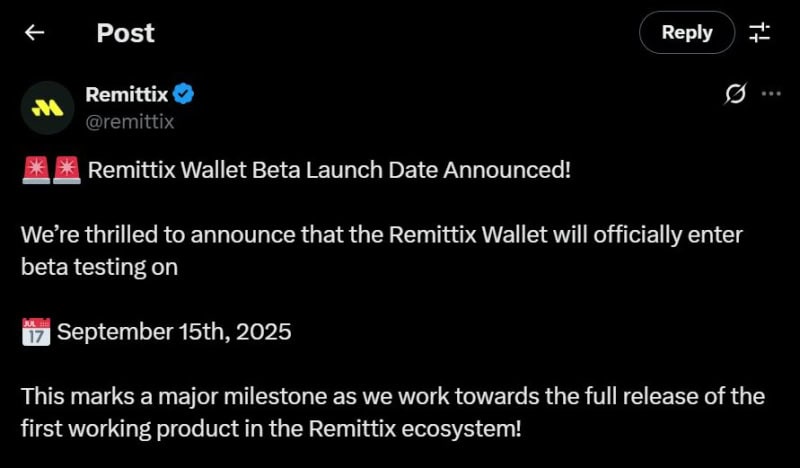
Remittix, the new DeFi platform bridging crypto and mainstream finance, has publicly disclosed the beta go-live date of its web3 wallet next generation. The announcement has rekindled investor interest, pushing the Remittix presale to over $17 million raised, with over 563 million tokens sold thus far as of this week.
Targeted for Q3 2025, Remittix Wallet will initially be available to serve Ethereum and Solana when launched, with future support in the works for the Cardano (ADA) and XRP networks. But a mere wallet is not what Remittix is creating.
Remittix is laying the groundwork for something even more significant: to bring crypto into the realm of everyday transactions, especially in places where money sending is slow, expensive, or simply not feasible.
What Remittix Really Does: Connecting Crypto to Fiat
Though nearly every platform touts decentralization, Remittix is building something that works. Remittix is focused on enabling users to send cryptocurrency to normal bank accounts simply — no middlemen, no unnecessary fees.
This layer of fiat for crypto is at the heart of Remittix’s mission, especially for people in remittance-heavy regions of the globe like Africa, Southeast Asia, and Latin America.
The future wallet will be the portal to this capability, supporting cross-chain transfers, low gas fees, and, in the end, frictionless crypto-to-bank transfers in over 30 countries. While fiat integration will not be activated at beta launch, it is a foundation of the platform’s road map.
Wallet Beta: A Web3 Game-Changer
Remittix Wallet is currently under development to deliver speed, simplicity, and interoperability across chains. Built for both senders in the real world and users of DeFi, it includes:
- Cross-chain access to Solana and Ethereum
- Optimized Web3 UI for token swapping and wallet management
- Staking and yield farming capabilities
- Eligibility for $250,000 Remittix Giveaway
- 50% token reward for presale investors

As the platform’s central utility node, the wallet will eventually support a more extensive DeFi ecosystem, making cryptocurrency more usable for freelancers, businesses, and remittance users worldwide.
After the beta launch announcement, Remittix has also been trending on X (Twitter), making waves in Telegram trading channels, and highlighted across low-gas-fee cryptocurrency boards. It’s quickly becoming known as one of the strongest altcoins with real utility in 2025.
Presale Still Live — And Selling Fast
Remittix presale is still ongoing on the official website. Everyone who adopts early receives a 50% token bonus and also stands a chance to win the ongoing $250,000 Giveaway, which has caused a massive influx in community growth in the past week.
With over $17 million in its accounts and the wallet beta on the horizon, Remittix is now in the crosshairs of analysts and retail investors alike as a next-generation DeFi project — and potentially, the next big crypto in the payments sector.
About Remittix
Remittix is a decentralized finance ecosystem with the goal of making crypto useful. From staking across multiple chains to crypto-denominated payments in fiat, it is bringing world utility to underserved users all over the globe. With a focus on low gas fees, utility, and mobile-first infrastructure, Remittix aims to be the platform of preference for global remittance, earning, and spending in crypto.
For media inquiries:
Users can visit Remittix Website For Presale Info
And follow Remittix’s socials for official updates
The post Remittix Presale Raises $17M After Revealing Next-Gen Web3 Wallet Beta Launch Date appeared first on CryptoPotato.